
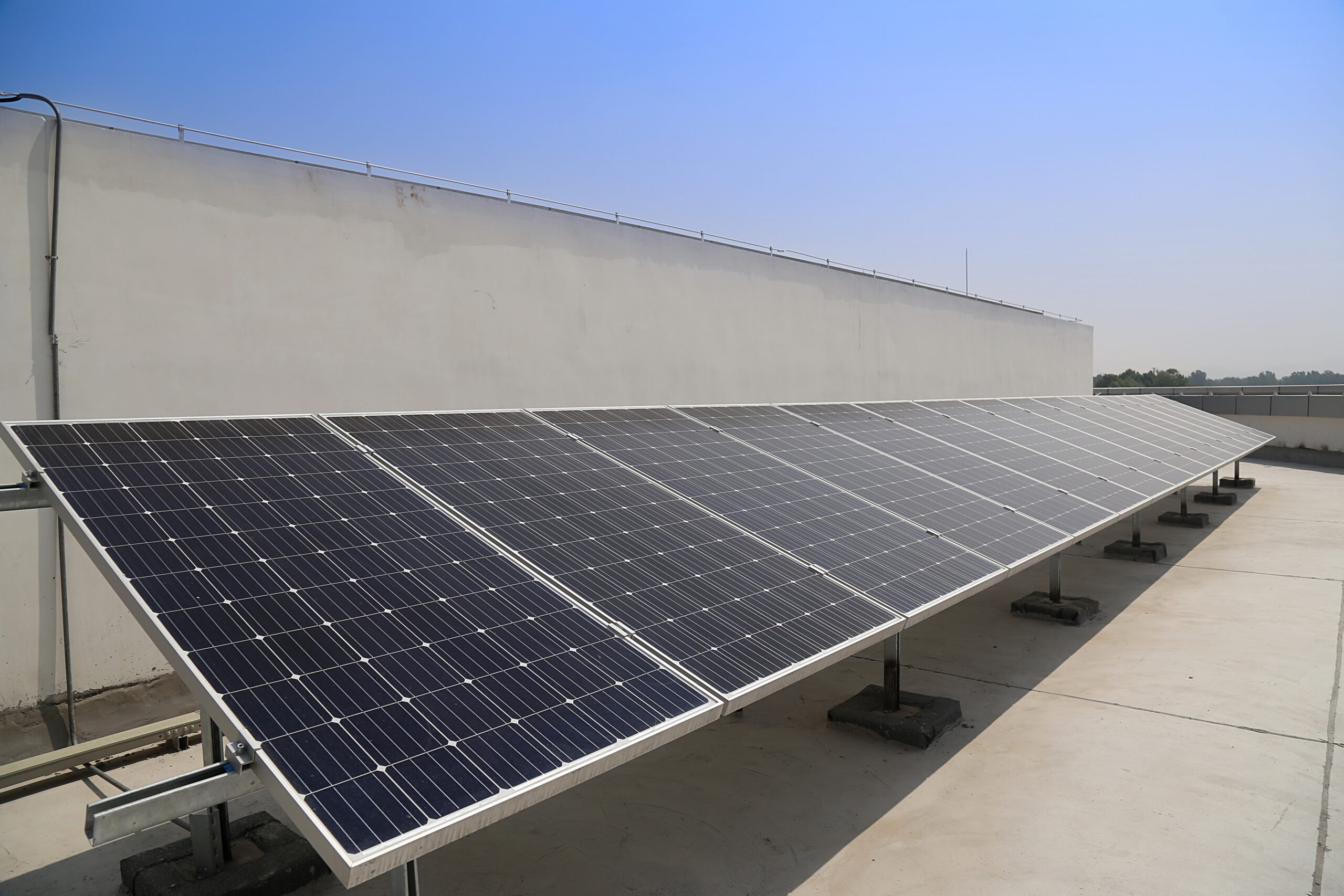
Solar power works well for tiny homes because the systems can be sized to match real, everyday use. Since space is limited, planning matters from the start, and many homeowners choose to work with an experienced general contractor to avoid layout mistakes that reduce output later.
This article looks at how solar panels are used on small homes, how power is stored, and how energy use is managed to keep systems reliable without adding unnecessary equipment.
Maximizing Roof Space Efficiency
Tiny homes do not have extra roof space to waste. Panels are usually placed only where they can receive steady sunlight without being blocked by vents or roof edges. Each section of the roof is measured carefully before installation.
Higher-efficiency panels are often chosen because they produce more power with less space. When the roof layout is planned well, even a small surface can support daily power needs.
Optimizing Solar Panel Placement
Panel placement affects output more than many homeowners expect. Direction, angle, and nearby shade all play a role. Panels placed where shadows fall for part of the day often lose noticeable production.
Tilt is adjusted based on location to help panels receive consistent sunlight across different seasons. Small placement changes can make a difference over time, especially in compact systems.
Incorporating Energy Storage Solutions
Battery storage helps tiny homes stay powered when sunlight is limited. Excess power generated during the day is stored and used later when demand increases. This allows the system to handle nighttime use without pulling from outside sources.
Storage also helps smooth out short periods of low production caused by weather changes. An appropriately sized battery keeps the system stable instead of strained.
Enhancing Energy Conversion Efficiency
Efficient systems matter in small homes because there is little margin for waste. Panels are selected for steady output rather than peak numbers that are rarely reached. Inverters adjust performance as light conditions change, helping the system stay consistent.
Wiring, connections, and system setup also affect how much power actually reaches the home. Paying attention to these details improves long-term reliability.
Monitoring and Managing Energy Usage
Monitoring shows how much power the system produces and how it is used each day. This helps homeowners understand when energy demand is highest and where adjustments may help. Monitoring also makes it easier to spot sudden drops in production that may signal a problem.
Regular checks help prevent minor issues from becoming major repairs. Over time, this keeps the system running as expected.
Implementing Sustainable Off-Grid Systems
A lot of tiny homes use off-grid solar, so they are not tied to outside power sources. These systems are planned around everyday use while allowing for cloudy days and seasonal changes. Some setups include a backup source to cover extended stretches with limited sunlight.
Well-designed off-grid systems aim for dependable output instead of oversized capacity, which helps limit strain and keep performance steady over time.
Related Topics: