
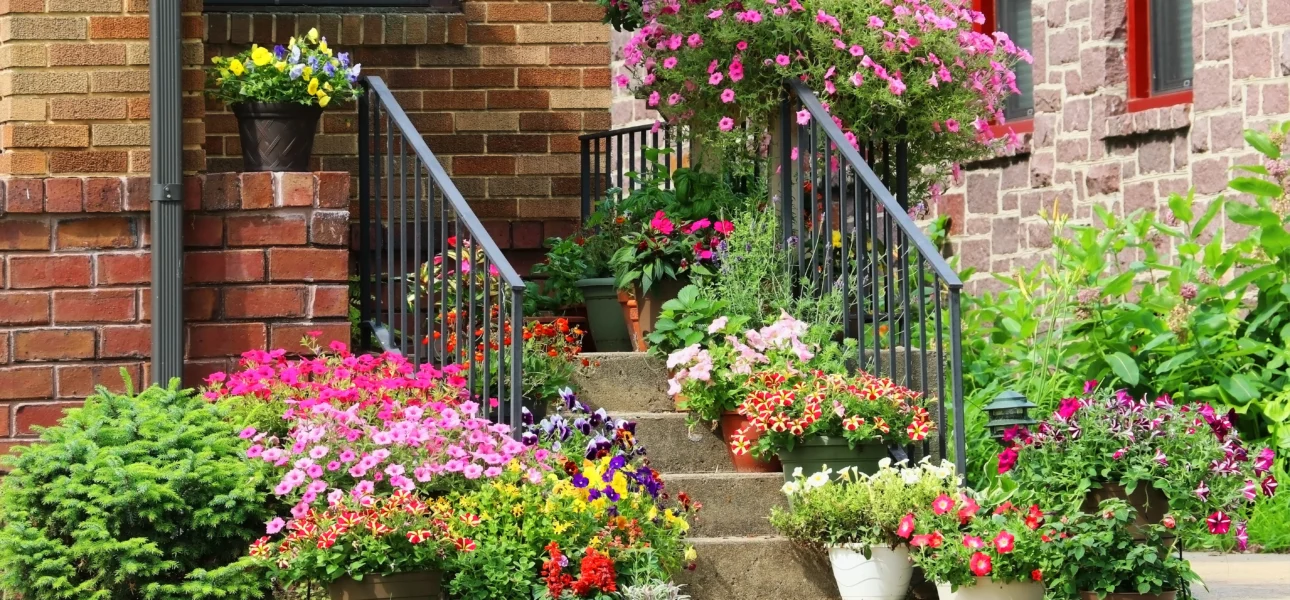
Shade can feel like a problem in your yard, but it doesn’t have to be. Those darker corners can actually be some of the most interesting parts of your garden if you pick the right plants. You know, just paying attention to how much light moves around and layering plants a bit can make a huge difference. Even a dependable general contractor will tell you that shade plants change the vibe of a yard more than people expect. It’s amazing what a few well-placed ferns or hostas can do.
A lot of people think shade means “nothing will grow,” but that’s just not true. With the right mix of textures, heights, and a few pops of color here and there, a shady spot can become the coziest part of the garden. And yes, you do have to water and mulch and watch for pests, but it’s not complicated. The effort pays off fast once things start filling in.
Benefits of Shade-Loving Plants
Shade-loving plants are more than just filler for dark corners. They make the yard feel calm and lush, and they give wildlife a place to hang out. Birds, bees, and even tiny insects all appreciate the cover and food these plants provide. Plants like hostas, ferns, and astilbes can also help reduce soil erosion and keep things cooler around the house, which, oddly enough, helps with energy bills.
Plus, shade plants are just plain fun to watch. When you step into a shady nook filled with soft leaves and delicate flowers, it feels like a secret garden. You notice the little things, like the way sunlight flickers through the fronds or how certain flowers bloom later than others.
Types of Shade Conditions
Not all shade is the same, which is something gardeners sometimes overlook. Light shade gets a few filtered rays during the day, which works for plants that can handle a bit of sun. Partial shade is somewhere in the middle; it’s not full sun, but it’s not completely dark either. Full shade barely sees the sun at all, and you need tougher plants that actually like low light. Watching your yard through the day can really help figure out where each type falls.
Sometimes the shade shifts with the seasons, too. A spot might get morning sun in spring but none in summer. Keeping track of these patterns makes planting decisions easier, even if it feels like detective work.
Planning Your Shade Garden
When you start planting, think about layers. Taller plants go in the back, mid-height in the middle, and ground covers in front. That’s just a simple way to make the garden feel fuller and more intentional. A few eye-catching plants or a splash of color can act as little “focal points” that draw your eye across the garden.
You don’t have to overthink it. Even small tweaks like moving a fern or angling a hosta toward a path can completely change how a shady corner looks. It’s almost like arranging furniture in a living room. You move a piece here, shift a bit there, and suddenly it all feels right.
Top 10 Shade-Loving Plants
Some plants seem made for shady spots. Hostas are a classic with their big leaves and different shades of green. Astilbes add soft, feathery flowers. Ferns give that elegant, slightly wild look. Coral Bells and Bleeding Hearts bring color and quirky shapes. Lungwort has silvery leaves and early blooms. Japanese Forest Grass adds golden highlights. Foamflower is delicate and textured, Solomon’s Seal gives graceful arches, and Toad Lilies bloom later in the season.
Mixing a few of these together keeps things interesting. Some bloom early, some late. Some are tall, some are short. Layering them kind of naturally fills in space and makes the garden feel alive, even when it’s just a small shaded patch.
Design Ideas for Shady Areas
Even shady corners can be lively if you mix textures. Leaves can be glossy, velvety, or serrated, and it all adds depth. Throw in a few colorful blooms here and there, and suddenly what looked dark and dull feels vibrant. Taller plants in the back, smaller in front, and everything in between, layered naturally, makes a big difference.
You can also think about little accents like stepping stones or small paths to guide the eye. Even tiny changes make shady areas more inviting and give them a little personality. Those corners don’t have to be overlooked; they can be the part people remember most.
Maintenance Tips for Shade Plants
Shade plants aren’t completely low-maintenance, but they are forgiving if you do a few things right. Water them enough, but don’t drown them. Mulch helps keep soil moist and weeds down. Prune occasionally to remove dead leaves and keep the shapes tidy. Fertilize lightly if needed and check for pests every now and then.
Dividing overcrowded plants helps, too. It’s simple: cut a clump in half or thirds, plant them elsewhere, and suddenly both sections are happier. These little habits keep the shady spots looking healthy and full for years. Over time, you realize that shady corners can actually be the most interesting and lively parts of a yard.
Related Topics: