
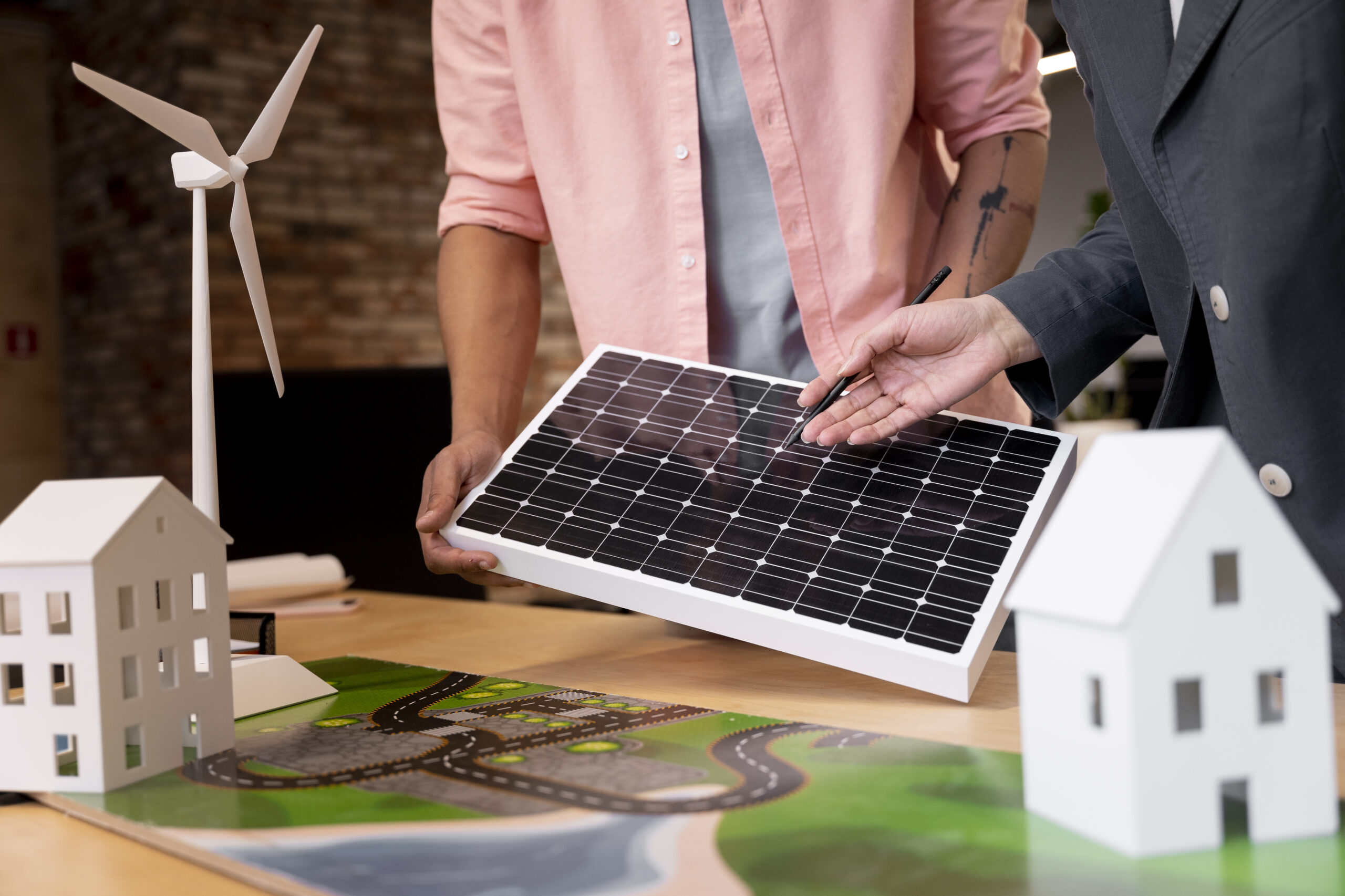
People comparing solar options often find that solar thermal systems and solar panels serve very different purposes, even though both rely on sunlight. One focuses on heat, while the other produces electricity, which makes the choice more practical than technical. Climate, space, budget, and how energy is used in the home all influence the decision. Many homeowners talk through these factors with a skilled general contractor to see what works best for their property.
The sections below outline how each option performs in everyday use, including strengths, limits, efficiency, and environmental impact.
Solar Thermal Energy Pros
Solar thermal systems collect heat from the sun and use it directly for tasks like heating water or supporting indoor heating. This direct use of solar heat often leads to lower ongoing energy costs after installation. Operating expenses stay modest because the system does not rely on fuel purchases.
These systems can also reduce dependence on gas or electric heaters, which lowers emissions tied to heating. In setups that include storage, captured heat can be used later, which helps meet steady heating needs.
Solar Thermal Energy Cons
There are trade-offs to consider with solar thermal energy. Installation costs can be high, especially when tanks, piping, and control systems are involved. In areas with long periods of cloud cover or colder weather, performance may be less consistent.
Maintenance may require more attention than some homeowners expect, since fluids and mechanical parts need monitoring. Space is another consideration, as the equipment often takes up more room than standard solar panels, limiting options for smaller properties.
Solar Panels Pros
Solar panels are commonly installed to supply electricity and work with a wide range of homes and buildings. After installation, they usually need minimal upkeep and can keep producing power for years. As time passes, they often lead to lower electricity costs and reduced dependence on the grid.
Many property owners also appreciate the added value of having a renewable energy system in place. During operation, panels produce electricity without releasing emissions, which supports cleaner everyday energy use.
Solar Panels Cons
Solar panels also have limitations that affect their suitability. Upfront costs for purchase and installation can be significant, even though savings build gradually. Electricity production depends on available sunlight, so that output may dip during cloudy weather or in shaded areas.
Panels also need enough roof or ground space to meet energy goals. Occasional cleaning and inspection help keep performance steady, particularly in environments with dust or debris.
Efficiency Comparison
Efficiency differs based on how each system uses sunlight. Solar thermal systems convert sunlight directly into heat, which makes them effective for heating tasks. Solar panels turn sunlight into electricity, which involves more conversion steps and some energy loss.
While panels may not match thermal systems in heat efficiency, they provide flexibility by powering a wide range of electrical needs.
Environmental Impact Analysis
Both solar thermal systems and solar panels reduce the need for traditional fuel-based energy. Solar thermal systems typically require fewer materials to produce and can hold heat for use later, which limits the need for supplemental power. Solar panels involve more components during production, but they offset this through years of electricity generation without emissions.
Over time, each option lowers environmental impact compared to standard energy sources. The right choice usually comes down to whether a household mainly needs heat or electrical power.
Related Topics: